جلسة في معهد العناية بصحة الأسرة تناقش تحديات ذوي الإعاقة
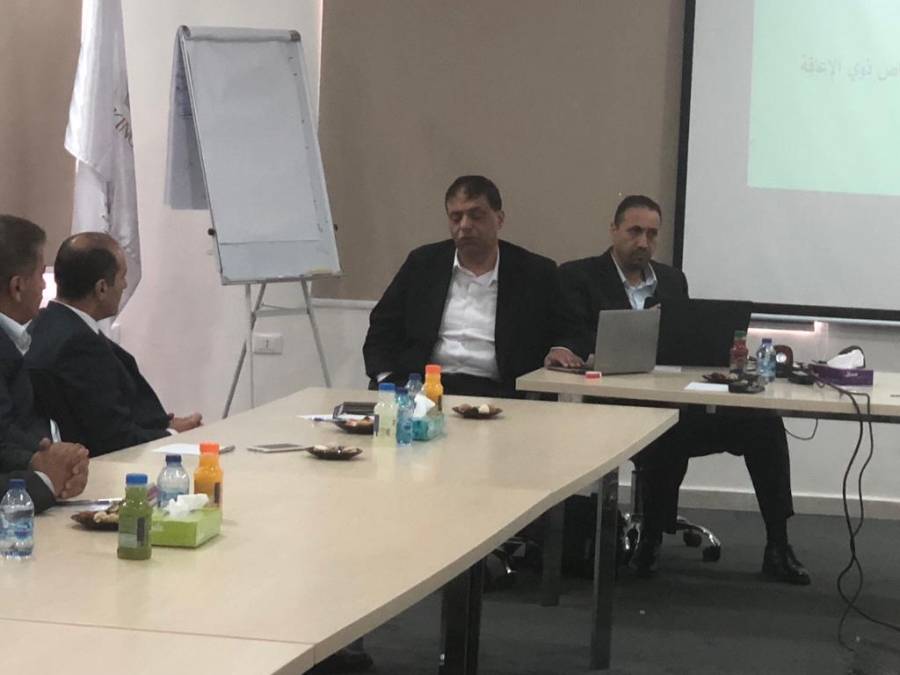
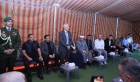
نبض البلد - - A session held on Thursday at the King Hussein Foundation's Family Health Care Institute discussed a number of issues and challenges facing persons with disabilities in Jordan. The session, which was attended by a team from the Higher Council for Persons with Disabilities and the Family Health Care Institute, focused on how to overcome the challenges And providing services for persons with disabilities in all places and institutions.
During the meeting, the Secretary-General of the Council, Dr. Muhannad Al-Azzeh, presented the Council's role in reaching a new modern law and moving it from the stage of filling the gaps and providing services to the stage of the human rights perspective that seeks integration and anti-discrimination.
Al-Azza pointed to the ten-year plans for the rights of persons with disabilities, from inclusive education, housing alternatives, and accessibility, pointing to the ID card that the Council is working on to facilitate the access of persons with disabilities in a way that preserves their privacy and dignity.
He also noted the Council's effort to implement the Access Plan for Model Areas for Persons with Disabilities and the Shelter Alternatives Plan to integrate them into their biological, extended or alternative families.
For his part, Director of the Institute for Family Health Care, Dr. Ibrahim Aqel, praised the Council's success in highlighting the human rights perspective of persons with disabilities, which was somewhat limited to the service side.
Akel explained that the institute, which has a certificate of accreditation, is in the process of establishing three regional centers, as centers of excellence for its services in the field of gender-based violence.
He explained that the institute is proceeding with the procedures of obtaining the accreditation certificate for the rest of its centers in Amman and the governorates.
Akl stressed the readiness of the Institute to put its expertise and services to create a participatory situation with the Council, in order to overcome any obstacles, and provide everything that helps in creating the necessary services for persons with disabilities.
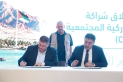
The parties agreed to sign a memorandum of understanding at a later time, including capacity building, measuring and testing tools, training in the law of persons with disabilities, focusing on the psychological dimension of persons with disabilities and their families, as well as the process of integrating children in schools, and standardizing and modeling the values mechanisms.